Why Selecting the Right Orthodontist Matters for Your Smile Journey
Choosing the best orthodontist is a crucial choice in reaching an exceptional smile. This choice influences not only the success of the treatment but also the complete experience. A knowledgeable orthodontist understands individual needs and adapts plans accordingly. Furthermore, their ability to engage professionally can considerably improve patient comfort. As the process progresses, the significance of this selection becomes ever more evident, raising questions about what attributes truly count in an professional expert.

The Importance of Choosing the Right Orthodontist for Your Smile
Selecting the best orthodontist is vital, as a skilled professional can significantly influence the quality of one's smile. The journey to achieving a perfect smile requires not only technical expertise but also a thorough understanding of personal needs. An seasoned orthodontist utilizes personalized treatment plans, ensuring that each patient benefits from individualized care based on their unique dental structure.
In addition, the choice of orthodontist affects not only the success of the treatment but also the overall experience. A communicative and supportive orthodontist creates a positive environment, allowing patients to voice concerns and seek answers throughout the course of treatment.
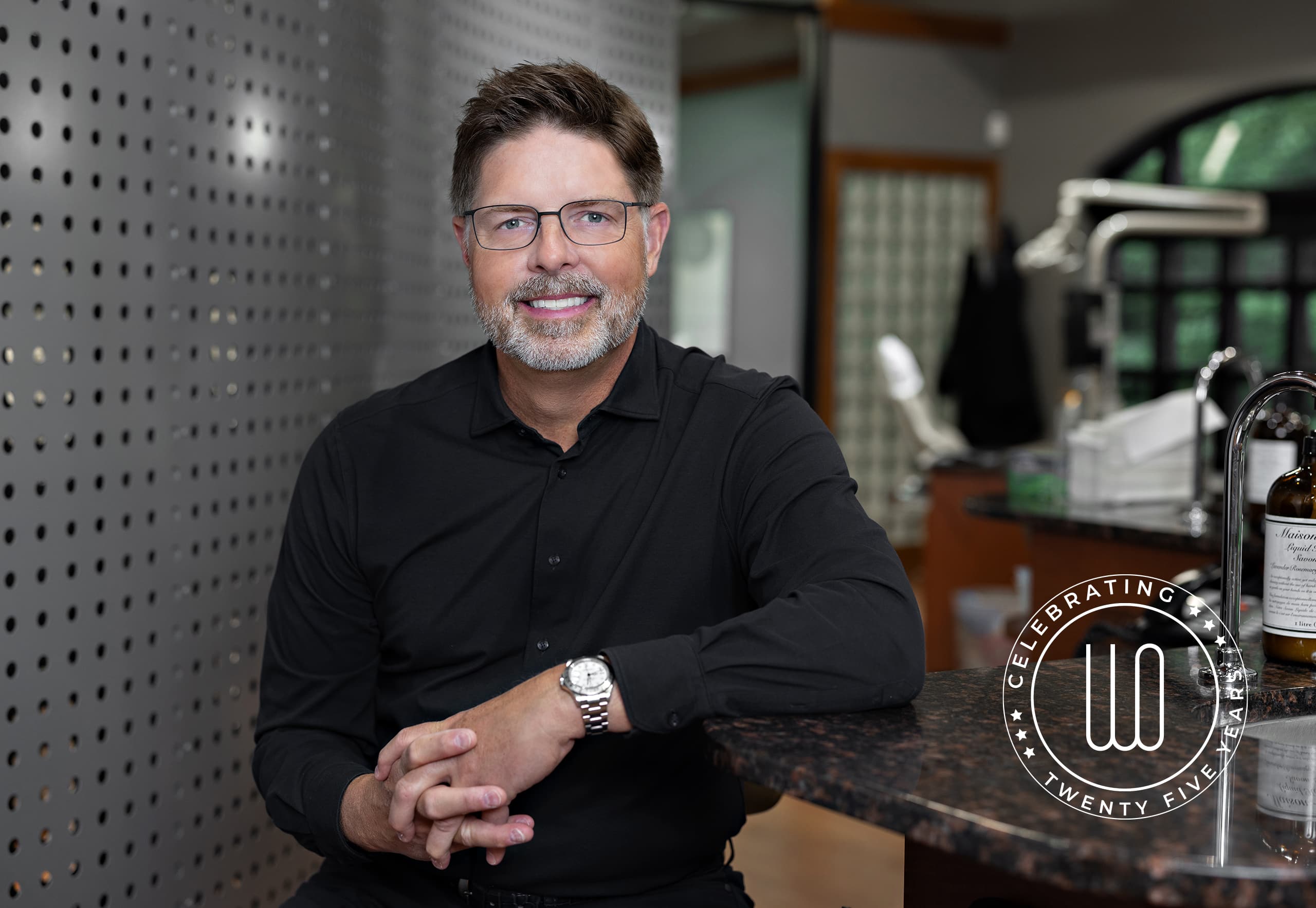
Moreover, the ideal orthodontist stays informed with the most recent innovations in orthodontic techniques and technology, which can produce more effective and efficient treatments. At the end of the day, picking a skilled orthodontist is a important step toward reaching a radiant, healthy smile that can boost confidence and better your quality of life.
Important Qualities to Seek in Your Orthodontist
A successful orthodontic experience hinges on identifying certain key qualities in an orthodontist. To begin with, a solid educational foundation and appropriate certifications are crucial, confirming that the orthodontist is thoroughly trained and well-versed in current methods. Furthermore, the capacity to communicate effectively is absolutely essential; the orthodontist should be able to explain treatment options clearly and address any patient concerns.
In addition, a caring and patient-focused methodology can considerably elevate the full information overall experience. An orthodontist who listens to their patients fosters reliability and reassurance throughout the entire treatment journey. In addition, a inviting and professionally arranged practice environment reflects dedication to quality care and regard for patients' schedules.
Lastly, evaluate the presence of advanced technology and treatment options. An orthodontist who welcomes new techniques is well-suited to offer more effective and efficient care. By focusing on these key factors, individuals can make informed choices, ultimately leading to a truly fulfilling orthodontic experience.
How Experience and Specialization Impact Orthodontic Outcomes
Experience and specialization play essential roles in determining orthodontic outcomes. A highly experienced orthodontist is better equipped to handle complicated cases with precision, minimizing complications and improving results. Their proficiency with a wide range of techniques and technologies enables a customized strategy suited to each patient's individual needs.
Expertise in orthodontics significantly improves the quality of treatment. Orthodontists who concentrate entirely on this discipline keep pace with the most recent developments, ensuring they employ the most efficient approaches. This level of knowledge may produce more precise assessments and tailored treatment plans that benefit both the practical and visual outcomes.
Additionally, an experienced orthodontist can swiftly spot potential issues during the course of treatment, applying timely changes that can substantially affect the overall outcome. Ultimately, choosing an orthodontist with a established record of achievement and specialization is vital for securing a healthy and beautiful smile, as their expertise and knowledge directly impact the effectiveness of the treatment process.
Picking Your Orthodontic Treatment
What elements are important to evaluate when choosing an orthodontic treatment? Initially, the nature of teeth misalignment serves as a significant consideration. A range of alternatives, such as conventional metal braces, tooth-colored ceramic braces, and transparent aligners, accommodate diverse requirements and preferences. The severity of the condition also influences treatment choice; more severe alignment issues may require specific approaches. Additionally, the treatment duration is a critical factor. Many patients seek a timeline that aligns with personal schedules or appearance-related goals.
Cost remains an additional significant element, as dental correction treatments can fluctuate considerably in cost. Coverage from insurance may further play a role in making decisions. In addition, individual personal preferences, including dietary restrictions and upkeep routines, should be evaluated. Finally, seeking guidance from an orthodontist can provide insights into the most appropriate and efficient treatment options based on a patient's specific dental characteristics. This thorough evaluation confirms that patients begin a rewarding orthodontic experience.
How Comfort and Communication Play a Key Role in Your Orthodontic Journey
When beginning an orthodontic journey, comfort and dialogue surface as key components that considerably shape the overall experience. A patient's sense of ease in the orthodontic space can considerably affect their willingness to engage with treatment. An welcoming environment, along with a caring team, cultivates comfort and reassurance, making each visit a more positive experience.
Clear communication is just as important. An orthodontist who carefully attends to patient concerns and thoroughly explains treatments ensures that patients feel respected and heard. This candid approach serves to ease worry and encourages a partnership-based relationship, where patients are more apt to comply with their prescribed treatments.
Furthermore, a strong relationship between the orthodontist and patient can lead to better outcomes. When patients are at ease sharing their concerns and desires, orthodontists can customize their treatment approach to meet each patient's needs. In the end, emphasizing open communication and patient comfort establishes the foundation for a positive orthodontic treatment, boosting both patient satisfaction and treatment outcomes.
What to Expect During Your First Consultation With an Orthodontist?
Within the initial consultation with an orthodontist, patients will experience a comprehensive examination of their dental health and alignment. This opening consultation generally includes a thorough evaluation of the teeth, jaws, and facial structure. The orthodontist might collect dental impressions, X-rays, and photographs to evaluate the patient's unique dental situation.
Once the examination is complete, the orthodontic specialist will review possible treatment plans tailored to the individual's needs. This includes an discussion of the various types of orthodontic appliances available and the approximate length of treatment. Patients are invited to raise questions and express any concerns they may have regarding the procedure.
Furthermore, this appointment serves as an occasion to evaluate the degree of comfort with the dental professional and the practice environment, which is important for building a positive connection throughout the treatment process. In summary, the first appointment is an important step in obtaining a more radiant and healthier smile.
Answers to Your Most Common Questions
How Long Does Orthodontic Treatment Take?
Orthodontic treatment duration typically ranges from six months to two years, based on the patient's individual needs, the complexity of their case, and the appliances selected. Routine visits with your orthodontist can offer more precise timeframe estimates.
What Are the Expenses Linked to Various Treatment Options?
Expenses related to different orthodontic treatment choices can vary widely, usually spanning from $3,000 to $8,000. Factors influencing these costs include the type of treatment, duration, and individual orthodontic needs, which play a significant role in shaping the financial planning of patients.
Are There Age Limits for Starting Orthodontic Treatment?
Typically, there are no strict age limits for starting orthodontic treatment. Children and adults alike can benefit, since timely evaluations tend to produce more effective outcomes, supporting superior dental health and proper alignment over time.
Will Wearing a Retainer Be Required After Treatment?
Yes, having a retainer after braces treatment is crucial. It helps maintain teeth positioning and keeps them from reverting to their prior placement. Following through with retainer usage plays a significant role in achieving long-term results and a well-maintained smile.
How Should I Care for My Oral Hygiene While Undergoing Orthodontic Treatment?
To preserve oral health throughout orthodontic treatment, one should brush after every meal, utilize fluoride-based toothpaste, maintain a regular flossing routine, and look into using an orthodontic toothbrush. Additionally, scheduled dental appointments are vital for tracking oral health during the treatment process.