Why Selecting the Right Orthodontist Matters for Your Smile Journey
Selecting the right orthodontist is a pivotal factor in achieving an ideal smile. This decision influences not only the efficacy of the treatment but also the general experience. A skilled orthodontist recognizes individual needs and tailors plans appropriately. Additionally, their ability visit this page to communicate effectively can considerably improve patient comfort. As the treatment progresses, the impact of this decision becomes progressively evident, raising questions about what qualities truly count in an dental specialist.
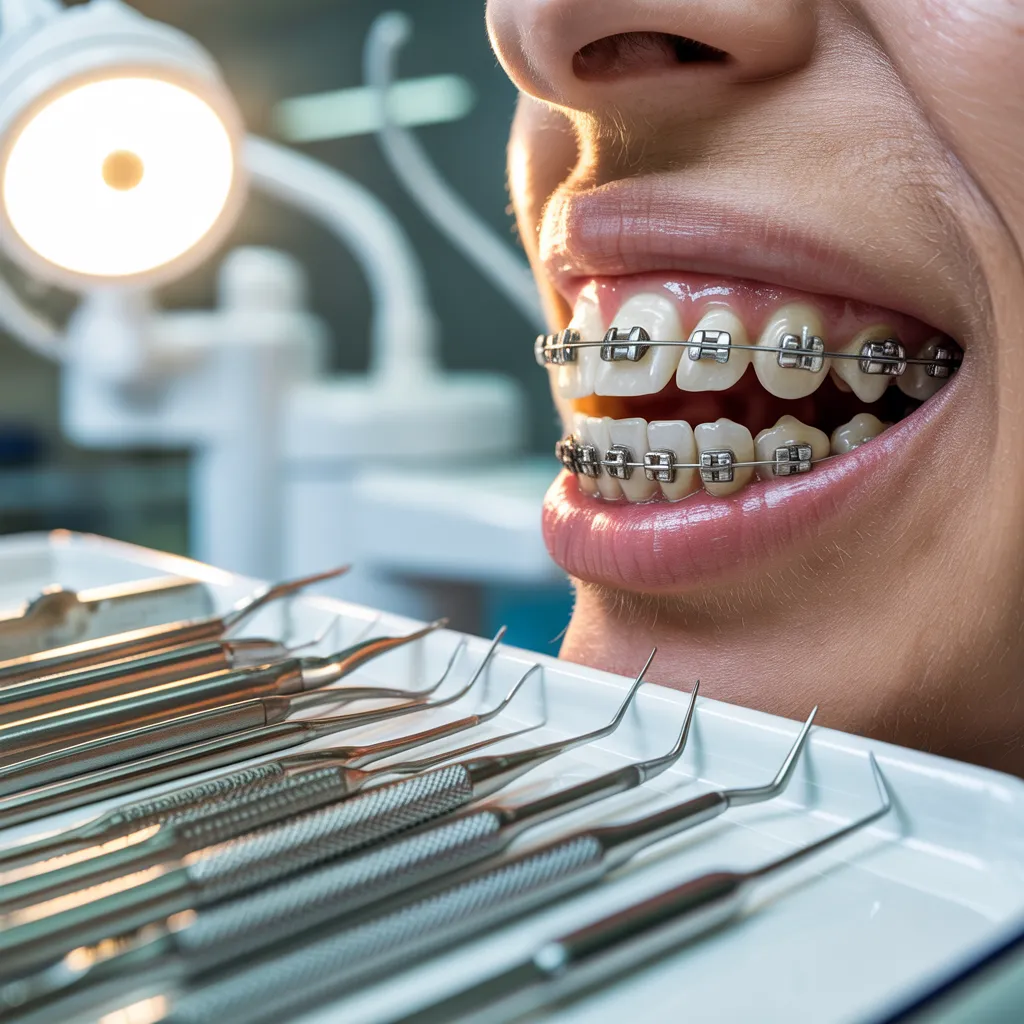
Why Selecting the Right Orthodontist Is Important for Your Smile
Selecting the right orthodontist is essential, as a skilled professional can considerably influence the quality of one's smile. The process to attaining a perfect smile involves not only professional knowledge but also a deep understanding of individual needs. An seasoned orthodontist employs customized treatment plans, making certain that each patient is given individualized care based on their unique dental structure.
In addition, the decision of orthodontist influences not only the effectiveness of the treatment but also the entire experience. A caring and attentive orthodontist creates a welcoming environment, encouraging patients to voice concerns and seek answers throughout the treatment journey.
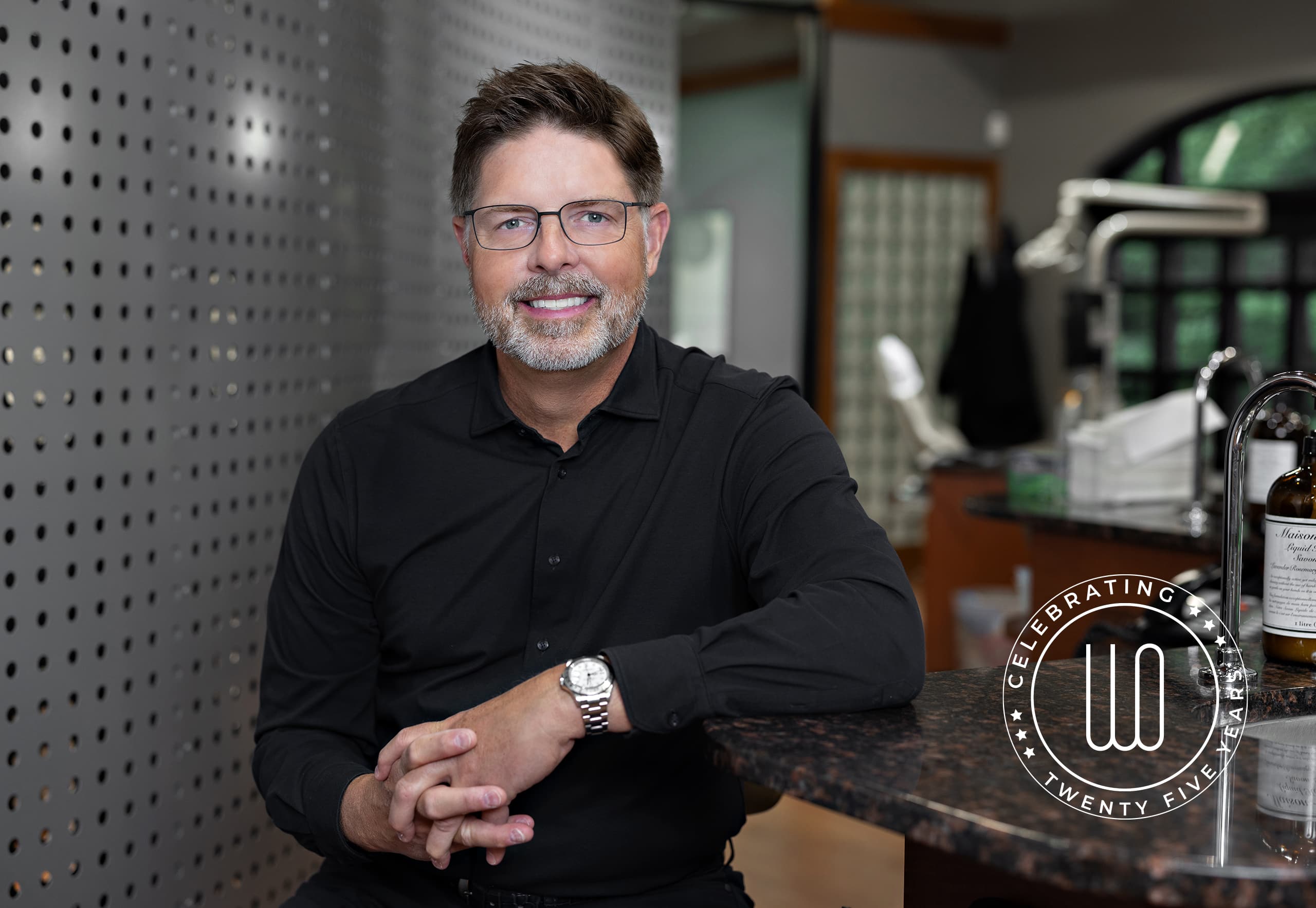
Furthermore, the ideal orthodontist stays updated with the cutting-edge innovations in orthodontic technology and techniques, which can result in more productive and reliable treatments. In the end, picking a experienced orthodontist is a vital step toward achieving a beautiful, healthy smile that can enhance confidence and better your quality of life.
Important Qualities to Seek in Your Orthodontist
A successful orthodontic experience hinges on identifying certain key qualities in an orthodontist. First, a strong educational background and relevant certifications are essential, ensuring the orthodontist is well-trained and knowledgeable about the latest techniques. Next, effective communication skills are vital; the orthodontist should be able to explain treatment options clearly and address any patient concerns.
Additionally, a compassionate and patient-centered approach can significantly improve the treatment experience. An orthodontist who listens to their patients builds confidence and ease throughout the entire treatment journey. Furthermore, a inviting and professionally arranged practice environment conveys commitment to excellence and consideration for patients' valuable time.
Additionally, examine the presence of cutting-edge technology and treatment methods. An orthodontist who welcomes new techniques is likely to provide superior and timely orthodontic services. By considering these important attributes, people can reach thoughtful conclusions, resulting in a more satisfying orthodontic process.
How Expertise and Specialization Affect Orthodontic Results
Expertise and specialization are fundamental elements in determining orthodontic outcomes. An orthodontist with a wealth of experience is better equipped to handle complicated cases with precision, reducing the risk of complications while enhancing outcomes. Their proficiency with a wide range of techniques and technologies facilitates a personalized approach designed around each patient's specific requirements.
Focusing on orthodontics as a specialty further enhances care quality. Orthodontists who focus solely on this field remain current on the most recent developments, making certain they apply the most effective methods. This expertise can lead to more accurate diagnoses and customized care strategies that enhance both functionality and aesthetics.
In addition, an experienced orthodontist can promptly recognize potential complications during the treatment process, applying timely changes that can substantially affect the end result. When all is said and done, picking an orthodontist with a proven track record and specialized focus is crucial for achieving a radiant and healthy smile, as their abilities and understanding directly impact the efficacy of the treatment.
Choosing Your Orthodontic Treatment
What aspects should be taken into account when deciding on an orthodontic treatment? First, the type of dental misalignment serves as a significant consideration. Various options, such as traditional metal braces, ceramic braces, and transparent aligners, address a variety of needs and preferences. The intricacy of the dental issue also influences treatment choice; more severe alignment issues may call for specialized techniques. Additionally, the treatment duration is a key consideration. Patients often desire a schedule that fits personal commitments or aesthetic concerns.
Cost remains an additional significant consideration, as dental correction treatments can vary greatly in price. Insurance coverage may further have an impact in making decisions. In addition, individual personal preferences, including diet-related restrictions and care routines, should be evaluated. Finally, consulting with an orthodontist can provide insights into the most effective and suitable treatment options based on a patient's specific dental characteristics. This comprehensive assessment guarantees that individuals initiate a successful orthodontic journey.
Why Comfort and Communication Are Essential to Your Orthodontic Journey
When beginning an orthodontic journey, comfort and communication stand out as critical elements that considerably shape the overall experience. A patient's ease in the orthodontic environment can substantially impact their inclination to follow through with treatment. An warm and inviting setting, along with a empathetic dental team, encourages a sense of calm and confidence, ensuring appointments feel less daunting.
Effective communication is equally crucial. An orthodontist who genuinely engages with patient concerns and plainly describes procedures makes certain that individuals feel appreciated and acknowledged. This transparency helps alleviate anxiety and promotes a collaborative relationship, where patients are more likely to adhere to treatment plans.
Additionally, a healthy connection between the orthodontist and the patient can result in improved outcomes. When patients are at ease expressing their fears and preferences, orthodontists can adjust their treatment approach to satisfy personal needs. At its core, focusing on open communication and patient comfort lays the groundwork for a rewarding orthodontic process, elevating both outcomes and overall satisfaction.
What You Can Expect at Your First Orthodontist Consultation?
During the first consultation with an orthodontist, individuals can anticipate a detailed examination of their oral health and dental alignment. This opening consultation usually encompasses a thorough examination of the facial structure, teeth, and jaw alignment. The orthodontist might collect photographs, X-rays, and impressions to evaluate the patient's particular orthodontic needs.
After the evaluation, the orthodontic specialist will go over potential treatment options customized for the unique needs of the individual. This encompasses an explanation of the range of braces or aligners that are available and the estimated duration of the orthodontic treatment. Patients are invited to ask questions and share any concerns they may have about the treatment process.
Moreover, this appointment serves as an occasion to determine the comfort level with the dental professional and the clinical setting, which is important for building a strong connection throughout the treatment journey. All in all, the initial visit is a vital step in achieving a more beautiful, healthier smile.
Frequently Asked Questions
How Long Does Orthodontic Treatment Take?
Orthodontic treatment timelines commonly range from 6 months to 2 years, depending on individual needs, complexity of the case, and the type of appliances used. Routine visits with your orthodontist can offer more precise timeframe estimates.
What Are the Fees Related to Different Treatment Choices?
The costs linked to various orthodontic treatment options differ significantly, typically ranging from $3,000 to $8,000. The elements that affect these expenses encompass the treatment type, length, and personal orthodontic requirements, which play a significant role in shaping the financial planning of patients.
Do Age Limits Exist for Beginning Orthodontic Treatment?
Typically, there are no strict age limits for starting orthodontic treatment. Both children and adults can benefit, though early evaluations often lead to more effective interventions, ensuring ideal dental health and alignment over time.
Is a Retainer Necessary After My Treatment?
That's correct, wearing a retainer after braces treatment is essential. It plays a key role in maintaining the position of your teeth and prevents them from shifting back. Following through with retainer usage plays a significant role in achieving lasting orthodontic results and a well-maintained smile.
What Are the Best Ways to Maintain Oral Hygiene During Orthodontic Treatment?
To maintain oral hygiene during orthodontic treatment, it is recommended to brush after every meal, utilize fluoride-based toothpaste, maintain a regular flossing routine, and consider an orthodontic toothbrush. Additionally, regular dental check-ups are essential for keeping a close eye on oral health as treatment progresses.