The Value of Preventive Dental Treatments for Lifelong Oral Health
Preventative dental care play a vital role in preserving dental health throughout life. Periodic dental visits and professional cleanings are able to detect developing problems prior to them becoming serious. Such a preventive strategy not only protects tooth structure but also supports general health. Furthermore, sound dental hygiene and nutritional habits are foundational elements of preventative dental care. Appreciating the range of these treatments could reveal significant benefits that many overlook. Which factors that support this critical dimension of wellness?
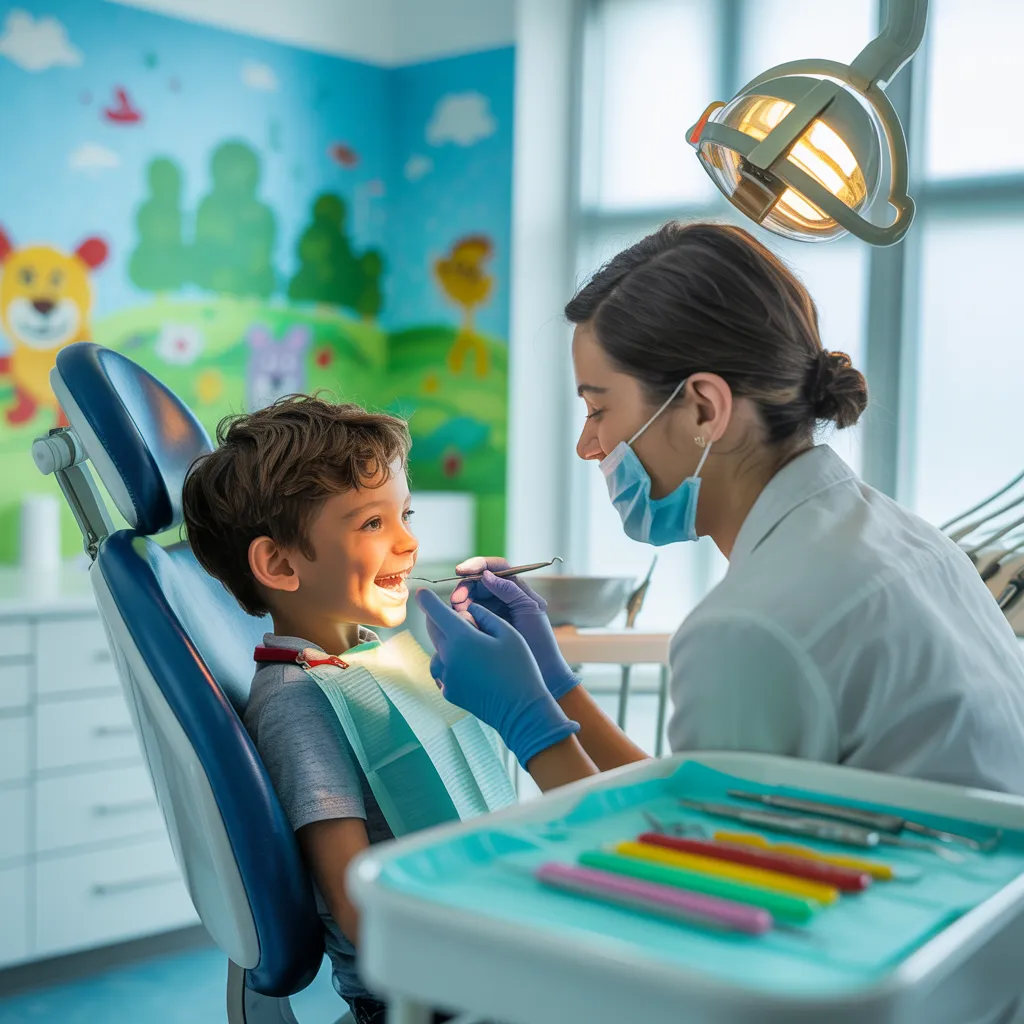
Understanding the Importance of Preventive Dental Care
Moreover, preventive dental care contributes to one's overall health, as oral wellness is deeply associated with broader health conditions. Maintaining healthy teeth and gums can influence areas such as nutrition, confidence, and heart health. Guidance on correct oral care practices helps individuals become proactive about their dental well-being. In the end, recognizing and adopting preventive dental care establishes the groundwork for lifelong oral health, encouraging benefits for both physical health and emotional confidence.
Primary Types of Preventive Dental Services Worth Considering
While many individuals may overlook the value of preventive dental care, these essential treatments play a fundamental role in maintaining oral health. Important categories of preventive dental services include scheduled dental visits, expert dental cleanings, and fluoride therapy procedures.
Routine dental visits allow dental professionals to catch potential concerns early on, such as cavities or gum disease. Expert dental cleanings, commonly scheduled every six months, clear away plaque and tartar deposits, which can develop into more significant health problems when left without treatment.
Fluoride applications reinforce tooth enamel, providing an additional layer of protection against decay. Sealants, another preventive measure, are applied to the chewing surfaces of molars to protect them from harmful bacteria and food debris.
In addition, providing patients with education on proper oral hygiene habits is crucial. By understanding the importance of these services, people can pursue proactive measures to attain lasting smiles and optimal oral health.
How Preventive Care Helps You Save Money Over Time
Prioritizing preventive dental care can significantly lower long-term costs associated with maintaining healthy teeth and gums. Periodic check-ups, cleanings, and dental screenings work to preserve optimal oral health, mitigating the see more risk of serious issues that necessitate expensive treatments. By addressing minor concerns before they escalate, patients can steer clear of expensive treatments such as root canals, crowns, or even tooth extractions.
Additionally, routine preventive care can contribute to lower insurance costs in the long term, as maintaining good oral health typically results in fewer claims. Individuals also enjoy the advantage of requiring fewer restorative treatments, which can prove to be quite costly. Additionally, healthy teeth and gums contribute to overall well-being, potentially decreasing healthcare costs related to systemic conditions linked to poor oral health. At the end of the day, focusing on preventive dental services not only preserves your smile but also encourages meaningful financial savings in the future.
Identifying Problems Early Through Preventive Care
Periodic dental examinations are crucial in identifying potential issues before they worsen. Early detection of cavities and proactive measures against gum disease can significantly enhance overall mouth health over time. By emphasizing preventive care, people can preserve their dental health and reduce the need for more complex dental procedures.
Why Regular Check-Ups Matter
Routine dental check-ups are essential for maintaining oral health, as they enable the early detection of potential issues. Such frequent appointments enable dental experts to evaluate the state of teeth and gums, recognizing concerns before they progress. By monitoring oral health closely, oral health specialists can offer immediate care, which can save patients from more extensive and costly treatments in the future. Additionally, these appointments often include professional cleanings, clearing away plaque and tartar accumulation that standard brushing might fail to address. Individuals also benefit from expert advice on correct oral hygiene routines, contributing to better overall health. Essentially, regular appointments encourage a preventive mindset toward dental care, supporting lasting healthy smiles and minimizing the risk of serious dental issues.
Early Detection of Cavities
Identifying cavities at an early stage can greatly influence the success of preventive dental care. When cavities are detected in their earliest stages, prompt interventions can be applied, often eliminating the requirement for more extensive procedures. Routine dental visits, enhanced by cutting-edge diagnostic technology such as digital imaging and laser diagnostics, facilitate early detection. This preventive method not only maintains the integrity of teeth but also helps patients save both time and money over time. In addition, prompt discovery encourages a stronger consciousness of oral hygiene practices, encouraging individuals to maintain their dental health. By emphasizing the importance of early detection, both patients and dental professionals can work together to achieve healthier smiles and decrease the occurrence of oral health problems over time.
Preventing Gum Disease
Avoiding gum disease demands careful attention and proactive measures. Scheduled dental appointments are vital for the timely recognition of potential problems, giving dental specialists the opportunity to detect early warning signs including swelling or plaque deposits. These visits enable timely interventions, potentially preventing more severe conditions like periodontitis. Daily oral hygiene practices, including brushing and flossing, complement professional care by removing food particles and plaque that can lead to gum issues. Additionally, patients should be educated on the risk factors associated with gum disease, such as smoking and diabetes, empowering them to make informed lifestyle choices. By prioritizing preventive dental services, individuals can maintain healthy gums, reducing the risk of complications and ensuring a lifetime of smiles. Early action is key in safeguarding oral health.
Everyday Routines for Superior Oral Health
Achieving optimal oral health requires consistent daily habits. Effective brushing practices, regular flossing, and wholesome dietary decisions serve critical functions in preventing dental issues. By incorporating these habits into everyday life, everyone can substantially boost their long-term dental health.
Proper Brushing Practices
Brushing teeth consistently is vital for maintaining excellent oral hygiene. Effective brushing techniques contribute greatly to the clearing of plaque and deterrence of tooth decay. Oral health experts suggest using a soft-bristled brush along with fluoride toothpaste. The brush should be positioned at a 45-degree angle to the gums, enabling the bristles to clean both the teeth and gum line. Every brushing session ought to be at least two minutes long, guaranteeing that every surface—front, back, and biting areas—is properly cleaned. Brushing at least two times per day is recommended, preferably once in the morning and once before going to bed. Regular replacement of the toothbrush every three to four months is also important, as worn bristles are less effective. Following these guidelines establishes a basis for lasting oral health.
Importance of Flossing
While brushing is essential for oral hygiene, flossing holds an equally critical role in sustaining excellent dental health. Flossing effectively removes food particles and plaque from between teeth, spaces that toothbrushes commonly overlook. This practice helps prevent gum disease and cavities, supporting general oral health. Regular flossing also promotes healthier gums by reducing inflammation and bleeding. Numerous dental experts suggest including flossing in daily habits, ideally before brushing, to maximize benefits. Additionally, using the correct technique makes certain that the floss reaches below the gumline without causing damage. By focusing on this uncomplicated yet important habit, individuals can considerably advance their dental care, leading to long-lasting smiles and reduced dental issues in the future.
Healthy Dietary Choices
Even though consistent dental care is vital, nutritious food selections significantly support optimal oral health. A balanced diet rich in fruits, vegetables, whole grains, and lean proteins provides the nutrients necessary for strong teeth and gums. Foods high in calcium, such as dairy products and leafy greens, help strengthen enamel, while vitamin C-rich foods support gum health. However, overconsumption of sugar and acidic foods can cause tooth decay and enamel damage. Proper hydration, mainly through drinking water, promotes saliva production, which is essential for counteracting acids and clearing away food particles. Through thoughtful dietary decisions, people can significantly improve their oral health, lowering the likelihood of dental problems and encouraging a lifetime of bright smiles.
How Regularly Should You Plan Preventive Dental Checkups?
How often should patients schedule routine dental appointments to confirm optimal oral health? Most dental professionals suggest that patients of all ages visit the dentist at least two times per year. Such semi-annual check-ups facilitate comprehensive cleanings and prompt recognition of possible concerns, such as tooth decay or periodontal disease. However, specific circumstances may require increased dental check-ups. People with certain dental concerns, previous gum disease, or those who wear braces may find value in check-ups four times per year. Additionally, lifestyle decisions and age, such as tobacco use or excessive sugar consumption, can impact the regularity of required appointments. Ultimately, developing an individualized dental routine with a dentist confirms that people maintain optimal oral health throughout their lives. Consistent preventive appointments not only strengthen dental health but also cultivate enduring partnerships between individuals and their dentists, contributing to overall well-being.
Questions We Often Receive
Are Preventive Dental Care Benefits Available for Children Too?
Certainly, minors can take advantage of preventive dental care benefits. These treatments commonly include routine dental examinations, cleanings, and topical fluoride treatments, which are essential for supporting oral health and avoiding future dental problems in pediatric patients.
What Should I Expect During a Preventive Dental Visit?
At a routine dental appointment, patients will receive a comprehensive evaluation, dental cleaning, and discussions about oral hygiene practices. Dental X-rays may be performed when needed, providing a complete assessment of dental health and potential issues.
Are Preventive Services Covered by Dental Insurance Plans?
Most dental insurance policies cover preventive care, including standard examinations, cleanings, and X-rays. Nevertheless, plan details may vary by policy, making it important for individuals to examine their specific plan to learn about what is covered.
How Can I Choose the Right Dentist for Preventive Care?
Identifying the best dentist for preventive dental treatment involves examining professional qualifications, reviewing patient feedback, assessing the office environment, and familiarizing yourself with treatment methods. Personal recommendations and consultations can further assist in discovering a care provider who fulfills unique dental needs appropriately.
Why Is Skipping Preventive Dental Appointments a Risk?
Skipping regular dental checkups raises the likelihood of tooth decay, gum disease, and various oral health conditions. This oversight can lead to more invasive treatments, elevated costs, and potential chronic damage to one's general health and quality of life.